
Introduction
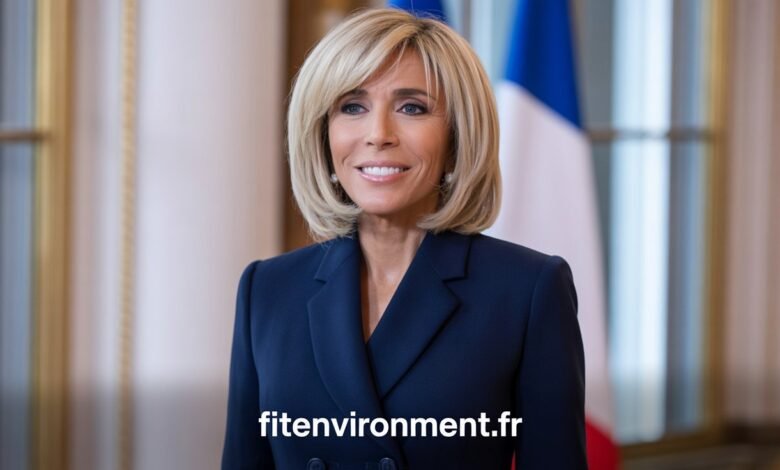
Vous avez probablement entendu parler de Brigitte Macron. Son nom circule partout. Dans les journaux, à la télévision, sur les réseaux sociaux. Mais connaissez-vous vraiment son histoire? Au-delà des gros titres et des photos officielles, il y a une femme au parcours unique. Une enseignante passionnée devenue Première Dame de France. Son histoire divise, fascine et inspire à la fois.
Brigitte Macron n’est pas une Première Dame comme les autres. Elle a brisé les codes. Défié les conventions. Et surtout, elle a construit sa propre identité dans un rôle traditionnellement figé. Que vous la connaissiez déjà ou non, je vous invite à découvrir les aspects méconnus de sa vie. Son enfance à Amiens, sa carrière d’enseignante, sa rencontre controversée avec Emmanuel Macron. Vous allez comprendre pourquoi elle fascine autant.
Dans cet article, vous découvrirez son parcours complet. Ses origines familiales, sa passion pour le théâtre, son influence politique discrète mais réelle. Préparez-vous à voir Brigitte Macron sous un jour nouveau.
L’Enfance à Amiens : Les Racines de Brigitte Trogneux
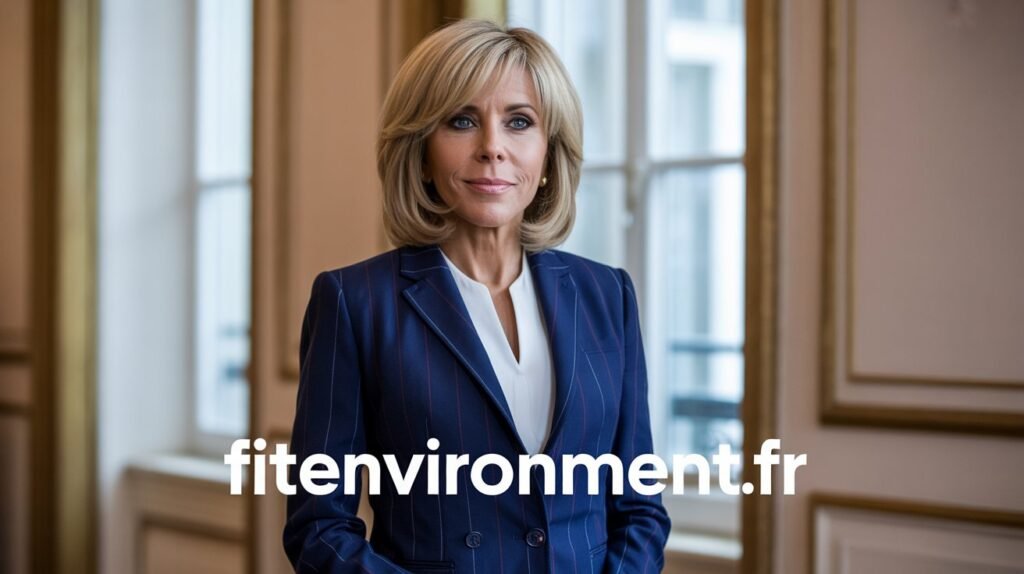
Avant de devenir Brigitte Macron, elle s’appelait Brigitte Trogneux. Elle est née le 13 avril 1953 à Amiens. Sa famille possédait une maison de chocolaterie réputée dans la région. Les chocolats Trogneux, vous en avez peut-être entendu parler. C’est une institution locale depuis 1872.
Brigitte a grandi dans un milieu privilégié. Elle était la plus jeune de six enfants. Son enfance a été marquée par les valeurs familiales fortes. Le travail, la tradition, l’excellence. Ces principes l’ont façonnée dès son plus jeune âge.
Voici quelques points clés de son enfance :
- Elle a étudié dans des établissements catholiques privés
- Sa famille valorisait énormément l’éducation
- Elle a développé très tôt une passion pour la littérature
- Le théâtre est devenu son échappatoire et sa passion
L’atmosphère familiale était chaleureuse mais exigeante. Vous imaginez grandir dans une maison où l’odeur du chocolat se mêle aux discussions intellectuelles? C’était son quotidien. Cette combinaison entre douceur et rigueur a forgé sa personnalité.
De Professeure de Français à Première Dame
Brigitte Macron a toujours aimé enseigner. Après ses études de lettres, elle est devenue professeure de français et de latin. Son terrain de prédilection? Le théâtre scolaire. Elle adorait monter des pièces avec ses élèves. C’était plus qu’un travail pour elle. C’était une vocation.
Elle a enseigné dans plusieurs établissements. D’abord au lycée Saint-Louis-de-Gonzague à Paris. Puis au lycée la Providence à Amiens. C’est là que tout a basculé. Là qu’elle a rencontré un élève brillant et déterminé. Emmanuel Macron avait alors 15 ans.
Sa Méthode d’Enseignement
Brigitte n’était pas une enseignante ordinaire. Ses anciens élèves témoignent de sa pédagogie unique. Elle savait captiver son auditoire. Rendre la littérature vivante. Transformer une classe en scène de théâtre.
Ses qualités d’enseignante incluaient :
- Une approche interactive et créative
- Une exigence élevée envers ses élèves
- Une capacité à révéler les talents cachés
- Un investissement personnel considérable
Vous comprenez maintenant pourquoi ses élèves l’adoraient. Elle ne se contentait pas de transmettre des connaissances. Elle éveillait des passions. Elle construisait des confiances.
La Rencontre Qui a Tout Changé
Parlons maintenant de l’éléphant dans la pièce. La rencontre entre Brigitte Macron et Emmanuel Macron fait couler beaucoup d’encre. Elle continue de susciter des débats passionnés. Certains y voient une belle histoire d’amour. D’autres restent critiques.
Les faits sont simples. Emmanuel était son élève en classe de première. Il participait à l’atelier théâtre qu’elle animait. Ensemble, ils ont travaillé sur une pièce d’Edouardo De Filippo. C’est pendant ces répétitions que leur complicité s’est développée.
Une Histoire Controversée
À l’époque, Brigitte était mariée. Elle avait trois enfants. Elle avait 24 ans de plus qu’Emmanuel. Vous imaginez le scandale dans une petite ville comme Amiens? Les parents d’Emmanuel ont réagi vivement. Ils ont envoyé leur fils terminer ses études à Paris.
Mais leur relation a résisté. Emmanuel lui a dit à 17 ans qu’il l’épouserait. Une promesse qu’il a tenue. En 2007, après son divorce, Brigitte et Emmanuel se sont mariés.
Les défis auxquels ils ont fait face :
- Le jugement social et familial
- La différence d’âge significative
- Les critiques médiatiques constantes
- Les attaques personnelles répétées
Je dois dire que leur histoire divise encore aujourd’hui. Mais une chose est indéniable. Leur relation a traversé plus de vingt-cinq ans. Cela mérite reconnaissance, peu importe votre opinion personnelle.
Son Rôle à l’Élysée : Plus qu’une Première Dame
Depuis 2017, Brigitte Macron occupe le rôle de Première Dame. Mais attention, elle ne ressemble pas à ses prédécesseures. Elle a redéfini ce statut. Créé son propre chemin. Imposé sa vision.
Contrairement à d’autres Premières Dames, elle n’a pas de statut officiel. Elle n’est pas rémunérée. Pourtant, son influence est réelle. Elle dispose d’un bureau à l’Élysée. D’une équipe de collaborateurs. D’un agenda chargé.
Ses Causes et Engagements
Brigitte s’investit dans plusieurs domaines. L’éducation reste sa priorité. Elle soutient également les personnes handicapées. La lutte contre le harcèlement scolaire lui tient à cœur.
Ses principales actions incluent :
- La Fondation des Hôpitaux (dont elle est marraine)
- Des visites régulières dans les écoles
- Le soutien aux associations caritatives
- L’accompagnement du président lors de déplacements officiels
Elle participe activement aux sommets internationaux. Vous l’avez vue aux côtés de Melania Trump, de Jill Biden. Elle représente la France avec élégance. Mais elle garde toujours sa personnalité forte.
L’Influence Politique Discrète de Brigitte Macron
Parlons franchement. Brigitte Macron joue-t-elle un rôle politique? La réponse est oui. Mais pas comme vous l’imaginez. Elle n’intervient pas dans les décisions gouvernementales. Elle n’a pas de portefeuille ministériel. Son influence est plus subtile.
Elle est la première conseillère d’Emmanuel Macron. Sa confidente. Sa critique la plus honnête. Plusieurs proches du président confirment qu’elle relit ses discours. Donne son avis sur les nominations. Alerte sur les dangers politiques.
Une Conseillère Stratégique
Les journalistes politiques l’ont surnommée « la directrice de cabinet bis ». Ce n’est pas anodin. Elle assiste à certaines réunions stratégiques. Elle connaît les dossiers sensibles. Elle comprend les enjeux politiques.
Son influence se manifeste dans :
- Les choix de communication du président
- L’image présidentielle et les apparitions publiques
- Les relations avec les autres chefs d’État
- La stratégie électorale lors des campagnes
Vous vous demandez si c’est normal? La question divise les observateurs. Certains trouvent cela naturel. D’autres critiquent cette influence non élue. Le débat reste ouvert.
Le Style Brigitte Macron : Une Icône de Mode Française
Impossible de parler de Brigitte Macron sans évoquer son style. Elle est devenue une référence mode. Ses tenues font systématiquement la une. Les magazines décortiquent ses choix vestimentaires.
Son style se définit par l’élégance française. Des robes courtes qui dévoilent ses jambes. Elle assume totalement. Des talons hauts. Des couleurs vives. Des créateurs français comme Louis Vuitton, Alexandre Vauthier, Nicolas Ghesquière.
Pourquoi Son Style Fait Débat
Certains admirent son audace. À plus de 70 ans, elle porte des minijupes. Elle refuse de correspondre aux attentes sociales. D’autres critiquent cette approche. Jugent ses tenues inappropriées pour son âge.
Les caractéristiques de son style :
- Des robes structurées et ajustées
- Une préférence pour les créateurs français
- Des accessoires soigneusement choisis
- Une coupe de cheveux signature devenue iconique
Personnellement, je trouve son approche rafraîchissante. Elle refuse les diktas de l’âge. Elle s’habille pour elle-même. C’est une forme de liberté. Que vous aimiez ou non ses choix, vous devez reconnaître sa cohérence.
Les Critiques et Controverses
Brigitte Macron n’échappe pas aux critiques. Loin de là. Elle fait face à des attaques constantes. Certaines légitimes. D’autres franchement déplacées.
La principale critique concerne son absence de statut officiel. Des voix s’élèvent régulièrement. Pourquoi dispose-t-elle de moyens publics sans cadre légal? Emmanuel Macron a tenté de créer un statut. Il a dû reculer face à la pression populaire.
Les Attaques Personnelles
Brigitte subit également des attaques personnelles violentes. Sur son physique. Sur son âge. Sur sa relation avec le président. Les réseaux sociaux amplifient ces critiques. Certaines théories complotistes circulent même à son sujet.
Les principales controverses incluent :
- Le coût de son équipe pour les contribuables
- Son influence politique non officielle
- Les rumeurs et fake news à son sujet
- Les critiques sur la différence d’âge avec son mari
Ces attaques dépassent souvent les limites. Elles révèlent aussi les préjugés de notre société. Sur l’âge. Sur les femmes. Sur les relations non conventionnelles.
Sa Relation avec les Français
Comment les Français perçoivent-ils Brigitte Macron? Les sondages montrent une image contrastée. Elle ne laisse personne indifférent. Vous l’aimez ou vous la détestez. Le consensus n’existe pas.
Certains admirent son parcours. Son authenticité. Sa capacité à rester elle-même. D’autres la trouvent trop présente. Trop influente. Trop moderne pour le rôle.
Une Popularité Variable
Sa cote de popularité fluctue. Elle dépend largement de celle du président. Quand Emmanuel Macron est critiqué, elle l’est aussi. C’est l’effet ricochet du couple présidentiel.
Les points d’appréciation des Français :
- Son engagement pour l’éducation (67% d’opinions positives)
- Sa défense des causes sociales (58%)
- Son style et son élégance (54%)
- Sa présence internationale (51%)
Les chiffres parlent d’eux-mêmes. Elle polarise. Mais elle ne déçoit pas ceux qui l’apprécient.
Brigitte Macron et les Médias
Les médias ont une relation complexe avec Brigitte Macron. Elle fascine les journalistes. Elle vend des magazines. Elle génère des clics. Mais elle contrôle aussi son image avec fermeté.
Elle accorde peu d’interviews. Quand elle le fait, c’est calculé. Elle choisit ses sujets. Fixe ses limites. Les journalistes doivent s’adapter.
Sa Stratégie de Communication
Brigitte a compris les règles du jeu médiatique. Elle sait doser sa présence. Apparaître au bon moment. Se retirer quand nécessaire. C’est une stratégie rodée.
Son approche médiatique comprend :
- Des apparitions publiques soigneusement planifiées
- Un contrôle strict de son image
- Des interviews rares mais impactantes
- Une présence mesurée sur les réseaux sociaux
Cette maîtrise impressionne. Elle évite les pièges. Minimise les scandales. Maintient une image cohérente. C’est du professionnalisme pur.

L’Héritage de Brigitte Macron
Quel sera l’héritage de Brigitte Macron? La question se pose déjà. Que retiendra l’histoire? Son amour controversé? Son influence politique? Son style vestimentaire?
Je pense que son héritage sera multiple. Elle aura redéfini le rôle de Première Dame. Montré qu’on peut vieillir sans se conformer. Prouvé que l’amour n’a pas d’âge.
Une Figure Moderne
Brigitte représente une forme de modernité. Elle incarne les changements sociétaux. Les nouveaux modèles de couples. La liberté individuelle. Le refus des conventions.
Son impact durable touchera :
- La perception du rôle de Première Dame en France
- Les débats sur l’âge et les relations
- L’image de la femme française à l’international
- Les discussions sur l’influence politique non élue
Vous pouvez ne pas être d’accord avec ses choix. Mais vous ne pouvez nier son impact. Elle a marqué son époque. Laissé une empreinte indélébile.
Conclusion
Brigitte Macron reste une figure fascinante. Complexe. Controversée. Mais indéniablement marquante. Son parcours illustre les transformations de notre société. Les nouvelles formes de relations. La redéfinition des rôles traditionnels.
De professeure de français à Première Dame, elle a parcouru un chemin unique. Elle a fait face aux critiques. Assumé ses choix. Imposé sa personnalité. Que vous l’admiriez ou la critiquiez, elle a changé la perception du rôle qu’elle occupe.
Son histoire nous rappelle que les parcours de vie échappent aux normes. Que l’amour ne suit pas de règles. Que chacun peut créer son propre chemin. Brigitte Macron continuera de faire parler. De diviser. D’inspirer aussi.
Et vous, quelle est votre opinion sur Brigitte Macron? Pensez-vous qu’elle joue un rôle positif? Partagez vos réflexions dans les commentaires. N’hésitez pas à partager cet article avec vos proches pour enrichir le débat.
FAQ : Tout Savoir sur Brigitte Macron
Quel âge a Brigitte Macron?
Brigitte Macron est née le 13 avril 1953. Elle a actuellement 71 ans. La différence d’âge avec Emmanuel Macron, né en 1977, est de 24 ans. Cette différence continue d’alimenter les discussions médiatiques.
Quelle est la profession d’origine de Brigitte Macron?
Brigitte Macron était professeure de français et de latin. Elle a enseigné pendant plus de vingt ans dans différents établissements scolaires privés. Sa spécialité était l’animation d’ateliers théâtre, qu’elle menait avec passion et créativité.
Brigitte Macron a-t-elle des enfants?
Oui, Brigitte Macron a trois enfants issus de son premier mariage avec André Louis Auzière. Elle a une fille, Laurence, et deux fils, Tiphaine et Sébastien. Elle est également grand-mère de sept petits-enfants qu’elle voit régulièrement.
Quel est le rôle officiel de Brigitte Macron?
Brigitte Macron n’a pas de statut officiel défini par la loi. Elle occupe le rôle traditionnel de Première Dame mais sans cadre légal précis. Elle dispose néanmoins d’une équipe de collaborateurs et d’un bureau à l’Élysée pour mener ses activités.
Comment Brigitte et Emmanuel Macron se sont-ils rencontrés?
Ils se sont rencontrés au lycée la Providence à Amiens en 1993. Emmanuel était élève en première et Brigitte, son professeure de français. Leur relation s’est développée lors d’un atelier théâtre qu’elle animait. Ils se sont mariés en 2007.
Quelles sont les causes défendues par Brigitte Macron?
Brigitte Macron s’engage principalement pour l’éducation, la lutte contre le harcèlement scolaire et l’accompagnement des personnes handicapées. Elle est marraine de la Fondation des Hôpitaux et visite régulièrement des établissements scolaires et associations caritatives.
Brigitte Macron est-elle rémunérée pour son rôle?
Non, Brigitte Macron ne reçoit aucune rémunération pour son rôle de Première Dame. Cependant, elle bénéficie de moyens matériels et humains financés par la présidence, ce qui génère parfois des controverses sur l’utilisation des fonds publics.
Quelle est l’influence politique de Brigitte Macron?
Brigitte Macron exerce une influence discrète mais réelle. Elle conseille le président, relit ses discours et participe à certaines décisions stratégiques. Son rôle reste informel mais plusieurs observateurs politiques reconnaissent son poids dans les choix présidentiels.
Pourquoi Brigitte Macron fait-elle autant parler d’elle?
Brigitte Macron cristallise les débats pour plusieurs raisons. Sa différence d’âge avec le président, son style vestimentaire assumé, son influence politique non officielle et son parcours atypique alimentent constamment les discussions médiatiques et publiques.
Quel est le style vestimentaire de Brigitte Macron?
Brigitte Macron privilégie un style élégant et moderne. Elle porte souvent des robes courtes, des talons hauts et privilégie les créateurs français comme Louis Vuitton. Son approche de la mode défie les conventions liées à l’âge et fait d’elle une icône de style.
A LIRE AUSSI fitenvironment.fr