

Introduction
You open the takeout menu. You scan the options. And then you see it sitting there, quiet, underrated, almost easy to skip. Moo shu chicken. If you have ever ordered it, you already know the magic. If you have not, you are seriously missing out.
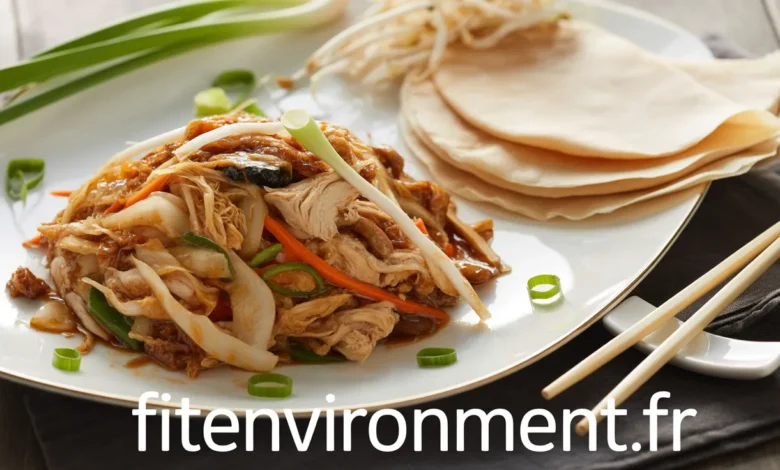
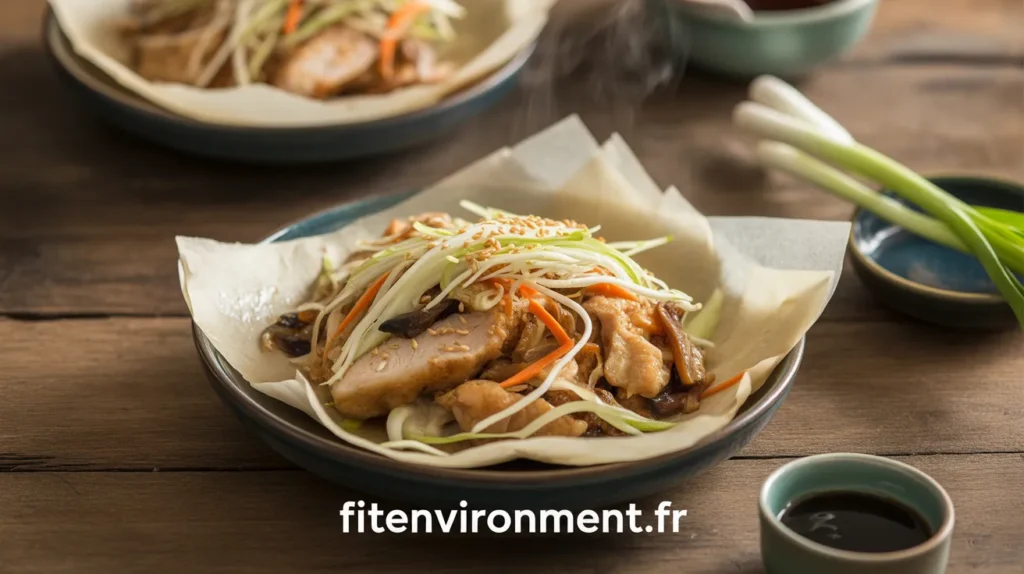
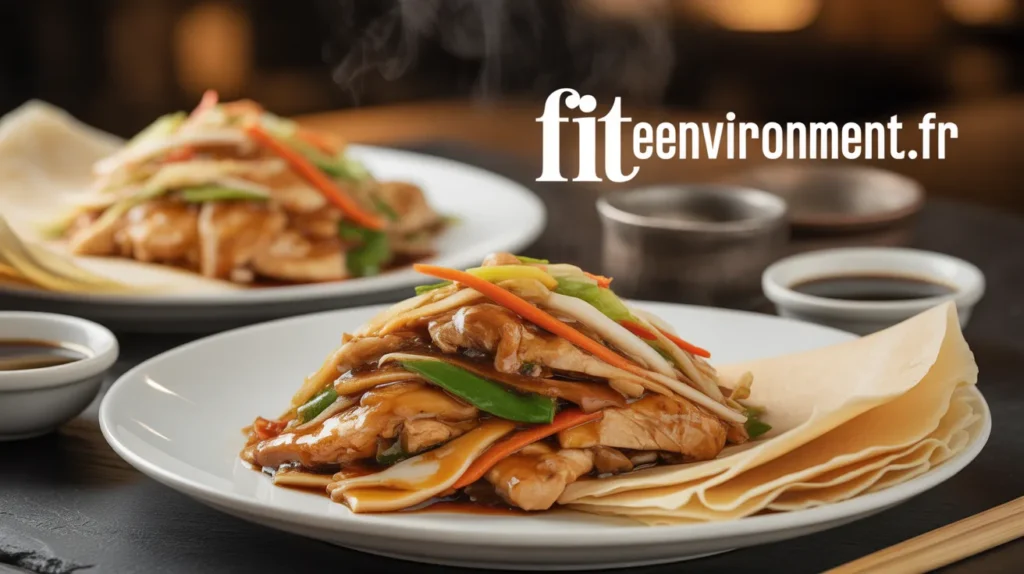
Moo shu chicken is one of those dishes that does everything right. It gives you tender sliced chicken, soft scrambled eggs, crunchy vegetables, and a savory hoisin sauce, all wrapped up in a thin Mandarin pancake. It hits every texture and every flavor at once. No wonder it has been a staple of Chinese American cuisine for decades.
In this article, you will learn everything you need to know about moo shu chicken. We cover its origins, how to make it at home, what makes an authentic version different from the takeout standard, the best side dishes to pair with it, and answers to the questions people ask most often. By the end, you will either be heading to your favorite Chinese restaurant or rolling up your sleeves in the kitchen.
The True Origins of Moo Shu Chicken
To understand moo shu chicken, you need to go back to northern China. The dish traces its roots to Shandong province, where the original version used pork rather than chicken. The name itself refers to osmanthus flowers. The scrambled egg pieces in the dish resemble those small yellow blossoms, and that poetic image gave the recipe its name.
When Chinese immigrants brought their culinary traditions to the United States, they adapted their recipes to suit local tastes and available ingredients. Chicken replaced pork in many versions because it was more familiar and widely accepted by American diners. The Mandarin pancakes, thin and soft, stayed as the vessel for all those savory fillings.
By the 1960s and 1970s, moo shu chicken had become a fixture on Chinese American restaurant menus from coast to coast. It offered something interactive: diners assembled their own wraps at the table, spreading hoisin sauce on the pancake, adding the filling, and rolling it up themselves. That hands-on experience made it genuinely fun to eat.
What Makes Moo Shu Chicken Different from Other Chinese Dishes
A lot of Chinese dishes are great. But moo shu chicken occupies a unique spot because of its combination of elements. You do not find that exact mix of textures and the wrap-it-yourself format anywhere else on a typical Chinese menu.
Here is what sets moo shu chicken apart:
- The Mandarin pancakes give it a wrap-style format that feels interactive and fun.
- The combination of eggs, chicken, and vegetables creates a balanced, complete meal in every bite.
- Hoisin sauce brings a sweet, salty, slightly smoky depth that ties everything together.
- Wood ear mushrooms and lily buds add textures you rarely encounter in other dishes.
- The dish works as a starter or a main course depending on how you serve it.
I have tried dozens of variations of this dish over the years. The ones I always come back to are the ones that nail the balance between the savory filling and the slightly sweet hoisin sauce. Too much sauce and the pancake gets soggy. Too little and the whole thing feels dry. Getting that balance right is what separates a great version from a forgettable one.
How to Make Authentic Moo Shu Chicken at Home
Making moo shu chicken at home is more achievable than you might think. You do not need a wok station or professional kitchen equipment. A good heavy pan and a well-organized prep session will get you there.
Ingredients You Need for Moo Shu Chicken
Start by gathering your ingredients. For the filling you will need:
- 300 grams of boneless chicken breast or thigh, thinly sliced
- 3 large eggs, lightly beaten
- 1 cup of shredded green cabbage
- 1 cup of shredded carrots
- Half a cup of dried wood ear mushrooms, soaked and sliced
- A quarter cup of dried lily buds, soaked and trimmed
- 3 spring onions, cut into short lengths
- 2 cloves of garlic, minced
- 1 tablespoon of fresh ginger, grated
For the sauce you will need:
- 3 tablespoons of soy sauce
- 1 tablespoon of oyster sauce
- 1 tablespoon of Shaoxing rice wine or dry sherry
- 1 teaspoon of sesame oil
- 1 teaspoon of cornstarch
For serving you will need Mandarin pancakes (store-bought work perfectly) and hoisin sauce.
Step by Step Moo Shu Chicken Method
Follow these steps to build your moo shu chicken from scratch:
- Marinate the chicken slices in half the soy sauce, the rice wine, and the cornstarch for at least 15 minutes.
- Heat a tablespoon of oil in your wok or pan over high heat. Pour in the beaten eggs and scramble them lightly. Remove them from the pan before they fully set.
- Add more oil to the pan. Stir fry the chicken until it turns golden and cooks through. Remove and set aside.
- Add garlic and ginger to the pan. Cook for 30 seconds until fragrant.
- Add the mushrooms, lily buds, carrots, and cabbage. Stir fry for 2 to 3 minutes until the vegetables soften slightly but still have a little bite.
- Return the chicken and eggs to the pan. Pour in the remaining sauce ingredients. Toss everything together over high heat for one more minute.
- Add the spring onions and sesame oil. Give it a final toss and take it off the heat.
- Warm the Mandarin pancakes according to the package instructions.
- Serve the filling in a bowl alongside the pancakes and a generous dish of hoisin sauce.
Assembly is the best part. Take a warm pancake, spread a thin layer of hoisin sauce across it, spoon on a good amount of filling, and roll it up like a small burrito. Eat it immediately while everything is still warm.
Moo Shu Chicken vs Moo Shu Pork: Which One Should You Order?
This is one of the most common questions people have when they encounter moo shu chicken on a menu. Both versions follow the same basic structure. The filling, the pancakes, the hoisin sauce, and the vegetables stay the same. The only real difference is the protein.
Pork is the more traditional choice. It has a slightly richer, more robust flavor. Chicken is leaner, milder, and tends to absorb the marinade and sauce flavors more readily. If you want something lighter, moo shu chicken is the better call. If you want something with a little more depth and fat, go with pork.
Some restaurants now offer shrimp, tofu, or beef as alternatives. The tofu version works surprisingly well for vegetarians because the scrambled eggs and vegetables carry so much flavor on their own. But honestly, the moo shu chicken version holds its own against any of them.
Calorie Comparison: Moo Shu Chicken vs Other Chinese Takeout
If you are watching what you eat, moo shu chicken is one of the smarter choices on a Chinese takeout menu. Here is a rough comparison:
- Moo shu chicken (two pancakes with filling): approximately 300 to 380 calories
- General Tso’s chicken: approximately 750 to 1000 calories per serving
- Kung pao chicken: approximately 400 to 500 calories per serving
- Orange chicken: approximately 500 to 700 calories per serving
- Sweet and sour chicken (battered): approximately 600 to 900 calories
Moo shu chicken wins the calorie comparison by a wide margin, especially compared to battered or deep-fried dishes. The thin pancakes keep the carbs reasonable. The protein content from the chicken and eggs keeps you full. It is genuinely one of the most balanced options you can pick from a Chinese menu.
Smart Variations on Moo Shu Chicken You Can Try at Home
One of the best things about moo shu chicken is how well it adapts to different tastes and dietary needs. Once you understand the core recipe, you can customize it endlessly.
Low Carb Moo Shu Chicken
If you want to cut the carbs, skip the Mandarin pancakes entirely. Serve the moo shu chicken filling over cauliflower rice or inside lettuce cups instead. You lose the wrap element but keep all the flavors. Butter lettuce leaves work particularly well because they are large enough to hold a decent amount of filling without tearing.
Moo Shu Chicken with Flour Tortillas
This is the most popular shortcut for home cooks. Small flour tortillas are almost identical in texture to Mandarin pancakes. They are widely available, inexpensive, and much easier to find than authentic pancakes. Warm them in a dry pan for 20 to 30 seconds on each side. They will be almost indistinguishable from the real thing once they are filled and rolled.
Spicy Moo Shu Chicken
The traditional version of moo shu chicken is not spicy at all. But if you like heat, it is easy to add. Toss a teaspoon of chili garlic sauce or sambal oelek into the stir fry. You can also drizzle a little chili oil over the finished pancakes before you roll them. The sweet hoisin sauce balances the heat beautifully.
The Best Side Dishes to Serve with Moo Shu Chicken
Moo shu chicken is filling on its own, but pairing it with the right sides makes the meal feel complete and restaurant-worthy.
Here are the best options:
- Steamed jasmine rice: Simple and classic. It works as a base if you have leftover filling.
- Hot and sour soup: The contrast of the tangy, spicy broth against the mild pancakes is excellent.
- Egg drop soup: A lighter option that complements the egg component already in the dish.
- Stir fried bok choy: Adds extra greens and keeps the meal feeling light.
- Vegetable spring rolls: Great as a starter that sets the tone for the meal.
- Fried rice: Only if you are feeding a crowd and need more volume.
If you are putting together a proper spread, I would go with hot and sour soup plus a simple stir fried vegetable. That combination lets the moo shu chicken stay as the star of the show without any one dish competing with it too hard.
Where to Find the Best Moo Shu Chicken Near You
Not all moo shu chicken is created equal. If you want to find the best version in your area, here are a few tips that will save you from disappointment.
Look for restaurants that make their pancakes in-house. Pre-packaged pancakes can feel rubbery and thick. A restaurant that takes the time to make fresh, thin pancakes clearly cares about the dish. Ask your server when you call to place an order. It is a small detail that reveals a lot about the kitchen’s priorities.
Seek out restaurants with a Shandong or northern Chinese focus. Because moo shu chicken has its roots in northern Chinese cooking, restaurants that specialize in that regional style tend to do it best. They understand the dish from the inside out rather than treating it as a generic menu filler.
Read reviews specifically about the moo shu dishes. Many restaurant review platforms let you search within reviews. Look for diners who mention the texture of the pancakes, the quality of the wood ear mushrooms, or the balance of the hoisin sauce. Those details tell you the reviewer actually paid attention.
Can You Order Moo Shu Chicken for Delivery?
Yes, but with one caveat. The pancakes do not travel well. By the time the order reaches you, the pancakes often become soft, slightly sticky, and stuck together. The filling travels fine because it holds its texture well.
One solution is to order the filling separately from the pancakes when you call in your order. Ask the restaurant to pack them in separate containers. Some restaurants do this automatically because they know delivery affects the pancakes. Alternatively, keep a pack of store-bought Mandarin pancakes at home so you always have fresh ones ready when you order delivery.
How to Store and Reheat Leftover Moo Shu Chicken
Leftover moo shu chicken stores well if you separate the filling from the pancakes before refrigerating. The filling keeps in an airtight container in the fridge for up to three days. Keep the pancakes wrapped separately so they do not absorb moisture from the filling.
To reheat, toss the filling in a hot pan for two to three minutes. This method preserves the texture far better than microwaving, which tends to make the vegetables limp and the chicken rubbery. If you microwave, add a tablespoon of water to the container before heating to prevent drying out.
Leftover moo shu chicken filling also works brilliantly as a fried rice addition. Just toss it into a pan with cold cooked rice, a little soy sauce, and a beaten egg. You get a completely new meal out of your leftovers without any extra effort.
Final Thoughts: Why Moo Shu Chicken Deserves a Spot on Your Regular Menu
Moo shu chicken is one of those dishes that rewards you every time you come back to it. It is balanced, customizable, surprisingly light for how satisfying it feels, and genuinely fun to eat. Whether you are picking it up from your favorite Chinese restaurant or making it at home for the first time, it is hard to get wrong.
The history behind it adds another layer of appreciation. Every time you roll a pancake and dip it in hoisin sauce, you are connecting to a dish that has traveled across continents and adapted beautifully to new kitchens and new tastes. That kind of culinary journey deserves respect.
If you have never tried moo shu chicken, consider this your sign. Order it this week. Or better yet, make it at home this weekend and see for yourself why it has stayed on menus for decades. Once you taste it, you will completely understand the obsession.
Have you made moo shu chicken at home before? Share your tips in the comments below. Or if you just ordered it for the first time, let us know what you thought. We would love to hear your experience.
FAQs About Moo Shu Chicken
1. What is moo shu chicken made of?
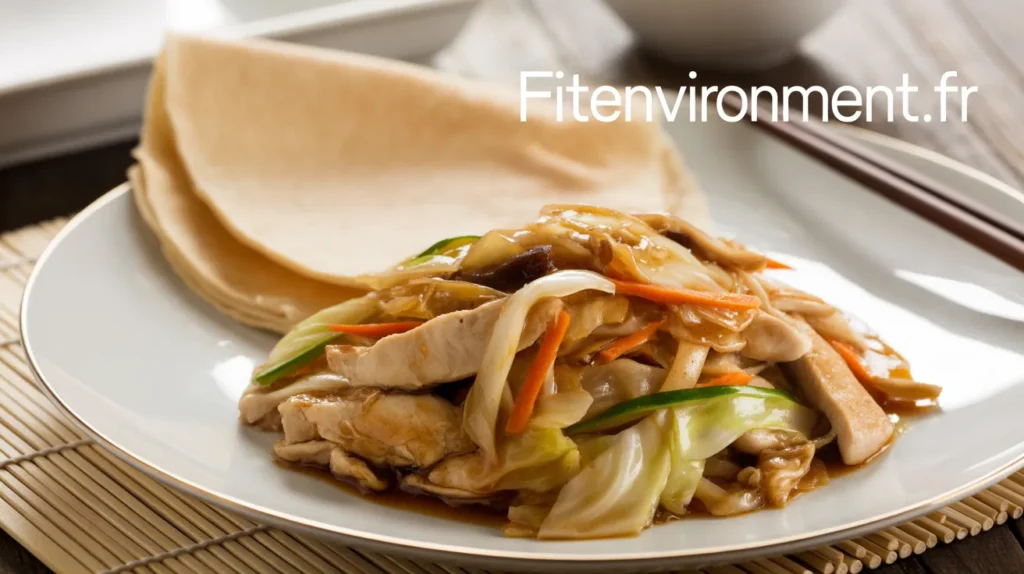
Moo shu chicken is made of thinly sliced chicken, scrambled eggs, shredded cabbage, carrots, wood ear mushrooms, lily buds, and spring onions. Everything is stir fried together with soy sauce, oyster sauce, and sesame oil, then served with thin Mandarin pancakes and hoisin sauce for wrapping.
2. Is moo shu chicken healthy?
Yes, moo shu chicken is one of the healthier options on a Chinese menu. It is relatively low in calories, high in protein from the chicken and eggs, and packed with vegetables. The Mandarin pancakes keep the carb count reasonable compared to dishes served over large portions of rice or noodles.
3. What do you serve with moo shu chicken?
Moo shu chicken pairs well with hot and sour soup, egg drop soup, stir fried bok choy, or steamed jasmine rice. You can also serve it as a standalone meal since the filling and pancakes together form a complete, balanced dish.
4. Can I make moo shu chicken without wood ear mushrooms?
Yes. If you cannot find wood ear mushrooms, substitute with shiitake mushrooms or cremini mushrooms. The flavor will be slightly different but still delicious. The key is to slice them thinly so they blend well with the other filling ingredients.
5. What can I use instead of Mandarin pancakes?
Small flour tortillas are the best substitute for Mandarin pancakes. They have a similar thin, soft texture and are easy to find in any grocery store. Rice paper wrappers or lettuce cups also work well if you want a lower-carb option.
6. Is moo shu chicken gluten-free?
Traditional moo shu chicken is not gluten-free because it contains soy sauce and oyster sauce, both of which contain gluten. You can make a gluten-free version by substituting tamari for the soy sauce and using a gluten-free oyster sauce or hoisin sauce. Use rice paper wrappers instead of Mandarin pancakes to complete the dish.
7. What does moo shu mean?
Moo shu refers to osmanthus flowers in Chinese. The name describes the small yellow pieces of scrambled egg in the dish, which resemble the tiny blossoms of the osmanthus tree. It is a poetic name that reflects the dish’s northern Chinese roots.
8. How long does moo shu chicken take to make?
From start to finish, moo shu chicken takes about 30 to 40 minutes to make at home. Most of that time is prep work: soaking the mushrooms, slicing the chicken and vegetables, and marinating the meat. The actual cooking time in the pan is only about 10 to 12 minutes.
9. Can you freeze moo shu chicken?
You can freeze the filling but not the pancakes. Transfer the cooled filling to a freezer-safe container and freeze for up to two months. Thaw overnight in the fridge and reheat in a hot pan before serving. Buy fresh Mandarin pancakes or use flour tortillas when you are ready to eat.
10. What is the difference between moo shu chicken and Peking duck?
Both dishes use thin pancakes and hoisin sauce as part of the experience. But the similarities end there. Peking duck is a celebratory dish built around a whole roasted duck with crispy skin. Moo shu chicken is a stir fried dish built around a savory egg and vegetable filling. They are completely different in flavor, texture, and preparation.
Also Read Fitenvironment.fr
Email: johanharwen314@gmail.com
Author Name: Johan Harwen
About the Author: Johan Harwen is a food writer and recipe developer with over ten years of experience covering global cuisines, home cooking techniques, and the cultural stories behind everyday dishes. He has written for leading food publications and lifestyle blogs, with a particular passion for making authentic flavors accessible to home cooks.Johan believes that understanding where a dish comes from makes it taste even better. His writing blends culinary history, practical technique, and genuine enthusiasm for good food. Whether he is deep-diving into regional Chinese cooking or testing the twentieth version of a pasta sauce, he brings the same curiosity and appetite to every article.
