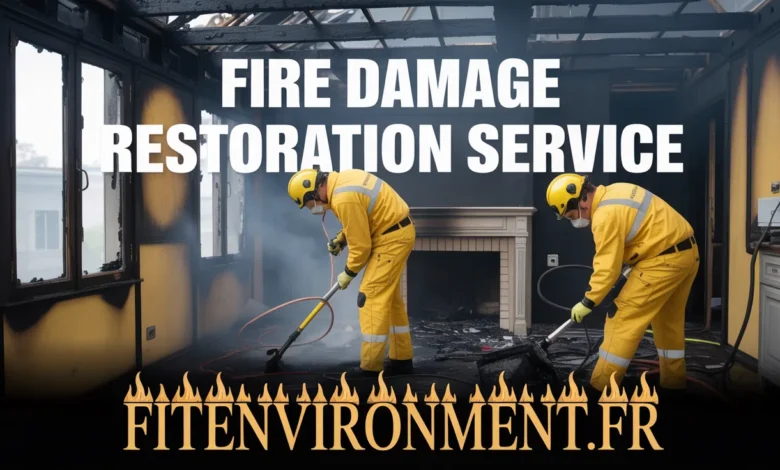
Fire Damage Restoration Service: The Complete Guide to Saving Your Home Fast In 2026

Introduction
A house fire is one of the most devastating things that can happen to your family. Within minutes, flames can reduce years of hard work and irreplaceable memories to ash and soot. If you have just survived a fire, your next steps matter enormously. Calling a professional fire damage restoration service as quickly as possible can mean the difference between saving your home and losing it entirely.
Most homeowners do not realize how much hidden damage a fire leaves behind. Smoke seeps into the walls. Water from firefighting soaks into floors and insulation. Soot coats every surface it touches. Without expert intervention, these secondary problems worsen by the hour. That is why a fire damage restoration service is not just helpful. It is essential.
This guide covers everything you need to know. You will learn exactly what the restoration process looks like, what questions to ask your contractor, how to work with your insurance company, and how to protect your family throughout the recovery. Let us walk through it step by step.
What Is a Fire Damage Restoration Service?
A fire damage restoration service is a professional team trained to assess, clean, repair, and rebuild properties affected by fire and smoke. These are not general contractors. They specialize in fire-related damage, which includes much more than just burned materials.
When a fire burns through a property, it leaves multiple layers of damage. The fire itself destroys structures. Smoke infiltrates every cavity in your walls and ceilings. Water from hoses saturates the building. Soot chemically reacts with surfaces over time and makes damage worse. A certified restoration team addresses all of these issues simultaneously.
According to the National Fire Protection Association, U.S. fire departments respond to a home fire every 88 seconds. The average direct property damage per home fire is significant, often running into tens of thousands of dollars. Professional restoration dramatically reduces those final costs when you act quickly.
The Step-by-Step Fire Damage Restoration Process
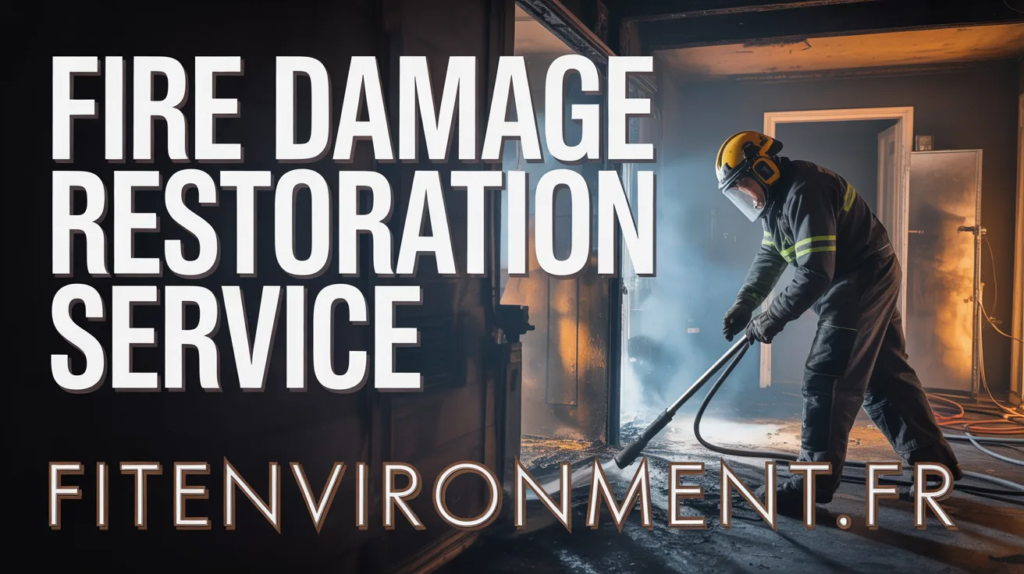
Understanding the process helps you set realistic expectations and stay involved throughout the recovery. Here is how a reputable fire damage restoration service handles a typical job.
Step 1: Emergency Contact and Initial Assessment
Most professional companies offer 24-hour emergency response. When you call, they dispatch a crew immediately. The first visit is all about safety inspection and damage assessment. Technicians identify structural hazards, evaluate air quality, and map the extent of fire, smoke, and water damage throughout the property.
They also document everything thoroughly for your insurance claim. Photographs, detailed notes, and moisture readings become part of a formal report that helps you get the settlement you deserve.
Step 2: Board-Up and Property Security
Fire often compromises windows, doors, and even entire walls. Before restoration can begin, the crew secures your property. They board up openings and tarp damaged roof sections. This prevents theft, vandalism, and weather exposure from making the situation worse.
Step 3: Water Removal and Drying
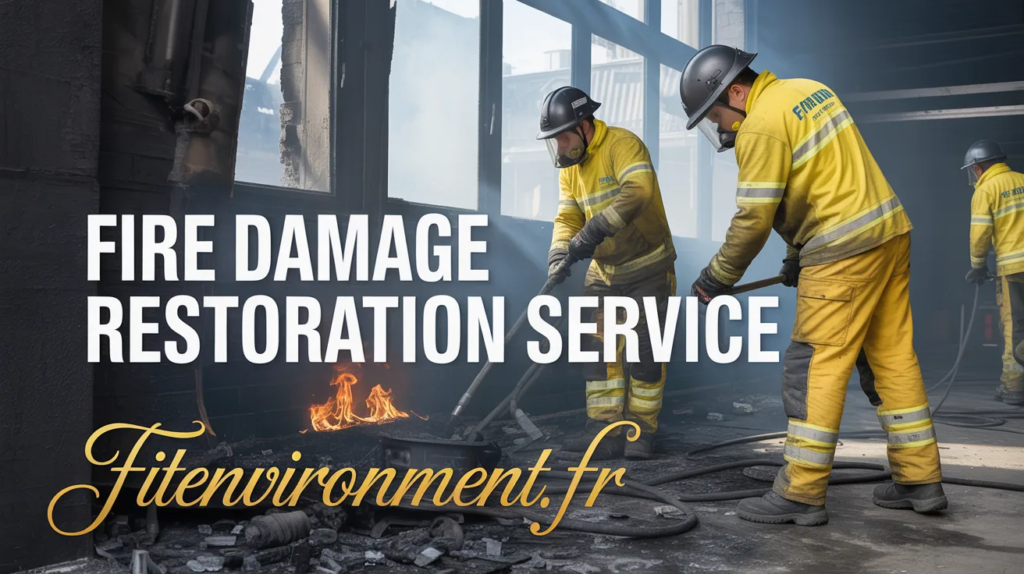
Firefighting leaves enormous amounts of water behind. If not removed quickly, that water causes mold growth within 24 to 48 hours. Restoration teams use industrial-grade pumps, dehumidifiers, and air movers to extract water and dry out the structure completely. This phase can take several days, depending on the level of saturation.
Step 4: Soot and Smoke Removal
This is one of the most technically demanding parts of the fire damage restoration service. Soot is acidic. It keeps reacting with surfaces even after the fire is out. Smoke odor travels deep into porous materials like wood, drywall, and fabric. Technicians use specialized cleaning agents, HEPA vacuums, and thermal fogging equipment to eliminate both soot and odor at the molecular level.
Step 5: Cleaning and Sanitizing
All salvageable belongings get cleaned, sanitized, and deodorized. This includes furniture, clothing, documents, and electronics. Items that cannot be restored on-site are often moved to a controlled facility for specialized treatment. Your family’s health depends on thorough sanitization at this stage.
Step 6: Restoration and Rebuilding
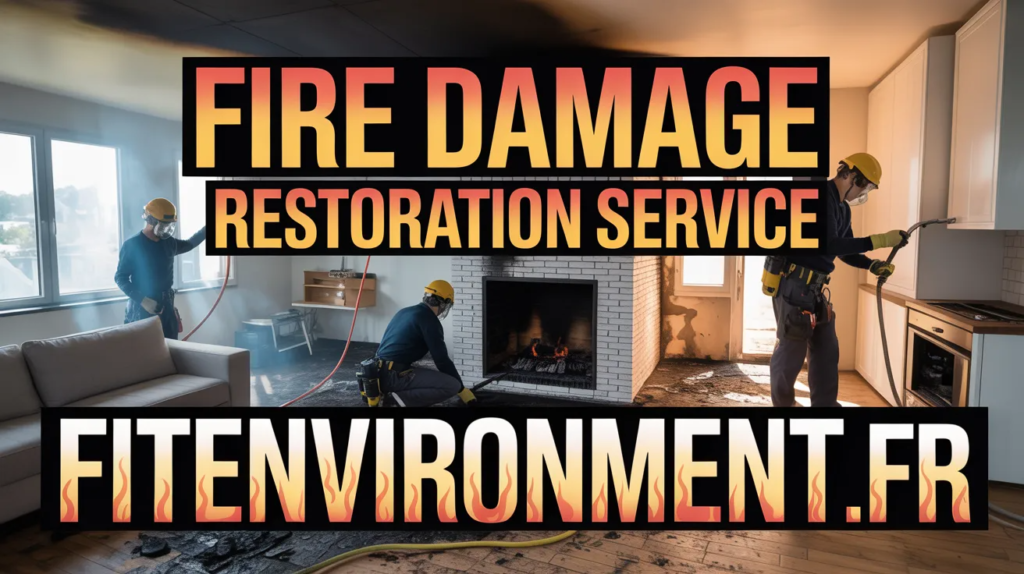
The final phase brings your home back to its pre-fire condition. This can involve minor repairs such as replacing drywall and painting, or major reconstruction like rebuilding entire rooms. A full-service fire damage restoration service handles both ends of the spectrum. You should not need to hire separate contractors for each task.
Signs You Need a Professional Fire Damage Restoration Service Right Now
Some homeowners try to handle fire cleanup on their own to save money. This is almost always a costly mistake. Here are clear signs that you need professional help immediately.
- You notice a persistent smoke or burning smell that does not go away with normal cleaning.
- Walls, ceilings, or floors show visible soot, charring, or discoloration.
- Your home has visible water damage from firefighting efforts.
- Structural elements like beams, joists, or the roof appear compromised.
- You or your family experience respiratory irritation, headaches, or eye irritation indoors.
- Mold or mildew is already starting to appear within days of the fire.
- Your insurance company requires a professional damage assessment.
In my experience working alongside restoration professionals, the homeowners who wait even 48 hours before calling see dramatically higher final repair bills. Every hour of delay lets soot and moisture do more damage. Act quickly.
How to Choose the Right Fire Damage Restoration Service
Not every company offering fire restoration is equally qualified. Here is what to look for when you evaluate your options.
Check for IICRC Certification
The Institute of Inspection, Cleaning, and Restoration Certification (IICRC) sets the gold standard for the restoration industry. Look for companies whose technicians hold active IICRC certifications in fire and smoke restoration, water damage restoration, and applied structural drying.
Ask About Their Emergency Response Time
A reliable fire damage restoration service responds within one to two hours of your call. Slow response is a red flag. Damage escalates rapidly, and any company serious about restoration knows that time matters above everything else.
Verify Insurance and Licensing
Always verify that the company carries general liability insurance and workers compensation coverage. Ask for their contractor license number and verify it with your state licensing board. You are inviting these professionals into your damaged home. Protecting yourself legally matters.
Read Reviews and Ask for References
Online reviews on Google and the Better Business Bureau reveal a lot about how a company treats its clients during stressful situations. Ask specifically for references from past fire damage restoration jobs, not just water damage work. Fire restoration requires a distinct skill set.
Get a Detailed Written Estimate
A trustworthy company provides a written scope of work before beginning any job. That document should list every task, the materials used, the estimated timeline, and the total cost. Avoid any company that asks you to sign a blank authorization or refuses to put the details in writing.
Working With Your Insurance Company After a Fire
Navigating a fire insurance claim while your home is in ruins feels overwhelming. Here is how to approach it strategically and protect your rights.
Call your insurance company before you clean anything. Your insurer needs to document the damage in its original state. Cleaning up prematurely can actually hurt your claim. Instead, call a fire damage restoration service first to board up the property and prevent further loss, then notify your insurer.
Many professional restoration companies work directly with insurance adjusters and know how to document damage in the format insurers require. This significantly speeds up your claim and helps ensure you receive full coverage for all restoration work.
Keep a detailed record of every conversation with your insurer. Note the date, time, and name of the representative. Save all receipts for any emergency expenses you incur, including hotel stays and food, as these may be covered under your Additional Living Expenses provision.
How Much Does a Fire Damage Restoration Service Cost?
Cost is one of the first questions homeowners ask. The honest answer is that it depends on the severity and scope of the damage. Here is a general breakdown to help you plan.
- Minor fire damage with limited smoke: $3,000 to $10,000
- Moderate damage affecting multiple rooms: $10,000 to $50,000
- Severe structural damage requiring major rebuilding: $50,000 to $150,000 or more
- Contents cleaning and pack-out: $2,000 to $20,000, depending on volume
These numbers sound large, but your homeowners’ insurance policy typically covers fire damage restoration costs, minus your deductible. The key is hiring a company that documents everything accurately and advocates on your behalf with the insurer.
What Happens to Your Belongings During Fire Restoration?
One major concern homeowners have is what happens to their personal belongings during the restoration. Professional fire damage restoration services use a process called pack-out.
Technicians carefully catalog, pack, and move your belongings to a secure off-site facility. There, specialists assess and clean each item individually. Electronics are inspected by technicians who understand circuitry damage from heat and soot. Clothing goes through specialized laundering and ozone treatment. Important documents, artwork, and photographs receive careful attention.
Items that cannot be salvaged are documented in detail for your insurance claim. This includes serial numbers, original purchase prices, and current replacement values. Your job is to review this inventory carefully and dispute any items you believe were wrongly categorized as unsalvageable.
Health and Safety Concerns After a House Fire
Your health is the priority above any property concern. Fire damage creates serious air quality and contamination risks that persist long after the flames are out.
Smoke particles contain hundreds of toxic compounds including carbon monoxide, formaldehyde, benzene, and heavy metals. Prolonged exposure causes respiratory illness, neurological symptoms, and long-term lung damage. Do not allow your family to stay inside a fire-damaged structure until air quality testing confirms it is safe.
Soot residue on surfaces continues to release particles into the air for days and weeks. Mold from firefighting water can become dangerous within 48 hours. Trust the restoration team to handle decontamination before anyone re-enters the home for extended periods.
If anyone in your household is experiencing symptoms such as coughing, wheezing, headaches, or dizziness following a fire, seek medical attention promptly. Do not assume it will pass.
Preventing Future Fire Damage: Smart Steps for Homeowners
Once your home is restored, take active steps to reduce your fire risk going forward. These measures are simple, affordable, and genuinely effective.
- Install smoke detectors on every floor and test them monthly. Replace batteries once a year.
- Place a working fire extinguisher in your kitchen, garage, and near your furnace.
- Have your electrical system inspected by a licensed electrician every five years.
- Never leave cooking unattended on a stovetop.
- Keep dryer lint traps clean after every cycle.
- Store flammable materials away from heat sources.
- Create and practice a home fire escape plan with every member of your household.
Conclusion: Take Action and Take Control
Fire damage is devastating, but it is not the end of your story. With the right fire damage restoration service on your side, you can reclaim your home, protect your family, and move forward with confidence. The key is speed. Every hour counts. Soot keeps reacting. Mold keeps spreading. Structural moisture keeps weakening your floors and walls.
You now know what the restoration process looks like, what to look for in a contractor, how to handle your insurance claim, and how to protect your health throughout the recovery. That knowledge puts you in control of a situation that can feel utterly overwhelming.
Do not wait. If you are dealing with fire damage right now, reach out to a certified fire damage restoration service in your area today. Your home is worth saving. Your family deserves a safe place to heal. Take that first step and make the call.
Have you or someone you know dealt with fire damage? Share your experience in the comments or pass this guide along to anyone who might need it.
Frequently Asked Questions (FAQs)
1. How soon should I call a fire damage restoration service after a fire?
Call as soon as the fire department clears the scene and confirms the building is safe enough to approach. The sooner you call, the less secondary damage occurs. Many companies offer 24/7 emergency lines for exactly this reason.
2. Does homeowners’ insurance cover fire damage restoration?
Yes, in most cases. Standard homeowners’ insurance policies cover fire damage to the structure and your belongings. Check your policy for coverage limits and your deductible amount. A professional restoration company can help you document the damage correctly to maximize your claim.
3. How long does fire damage restoration take?
The timeline depends on the extent of the damage. Minor restoration jobs may take a few days. Moderate damage typically requires two to six weeks. Severe structural damage requiring major rebuilding can take several months. Your restoration team will give you a realistic timeline after the initial assessment.
4. Can I stay in my home during fire damage restoration?
Usually not, at least not during the early stages. Air quality inside a fire-damaged home is hazardous. Structural instability is a risk. Most families need temporary accommodation while restoration work takes place. This is another expense that many homeowners’ insurance policies cover under Additional Living Expenses.
5. Will the smoke smell go away on its own?
No. Smoke odor does not simply fade with time or basic cleaning. It penetrates deep into porous materials including wood, drywall, insulation, and fabric. Professional restoration teams use thermal fogging, ozone treatment, and hydroxyl generators to eliminate odor at the molecular level. Without professional intervention, the smell can persist for years.
6. What is the difference between fire restoration and rebuilding?
Restoration focuses on cleaning, repairing, and returning your home to its original condition. Rebuilding involves more extensive structural construction when fire has destroyed entire sections. A full-service fire damage restoration service handles both, which means you do not need separate contractors for each phase.
7. Is soot dangerous to my health?
Yes. Soot contains carcinogenic compounds, including polycyclic aromatic hydrocarbons. Skin contact and inhalation both carry health risks. Children, elderly individuals, and those with asthma or respiratory conditions are especially vulnerable. Always wear protective gear if you must enter a fire-damaged space, and limit your time inside.
8. Can electronics be saved after a fire?
Sometimes, yes. Electronics damaged by smoke and heat can occasionally be restored if treated quickly and by trained technicians. Do not attempt to power on any electronics that were in a fire-affected area. Heat and soot cause corrosion that turns on the device and can permanently destroy it or create a fire risk.
9. Do I need to hire a public adjuster alongside the restoration company?
A public adjuster advocates for you in negotiations with your insurance company. For large or complex claims, hiring one can result in a significantly higher settlement. Many homeowners find that the extra cost of a public adjuster is offset by the larger insurance payout they receive.
10. What certifications should a fire damage restoration company have?
Look for IICRC certifications in Fire and Smoke Damage Restoration (FSRT), Water Damage Restoration (WRT), and Applied Structural Drying (ASD). Some companies also hold certifications from the Restoration Industry Association (RIA). These credentials indicate rigorous training and adherence to industry best practices.
Also Read In Fitenvironment.fr
Email: johanharwen314@gmail.com
Author Name: Johan Harwen
About the Author: John Harwen is a certified restoration industry consultant and home improvement writer with over 12 years of field experience in property damage recovery. He holds an IICRC certification in Fire and Smoke Damage Restoration and has helped hundreds of homeowners navigate the recovery process after disasters. John is passionate about turning overwhelming situations into actionable plans. When he is not writing, he consults with restoration companies on best practices and trains new technicians in the field. Follow his work for practical, honest guidance on protecting and restoring your most important investment, your home.