
Introduction
You sit at your laptop, coffee in hand, staring at your retirement account. You want your money to work harder, but the choices overwhelm you. Should you hand your savings to a professional who picks stocks every day, or simply ride the market with something simple and cheap? That question lands you right in the heart of mutual funds vs index funds.
You hear both sides everywhere. Friends swear by one. Ads push the other. Yet most people never dig deep enough to see what actually moves the needle for everyday investors like you. This article changes that. You will discover exactly how mutual funds vs index funds compare on fees, performance, risk, taxes, and ease of use. You will see clear data from 2025 reports, real-world examples, and practical steps you can take today. By the end, you will know which path fits your life and why it matters for your future wealth.
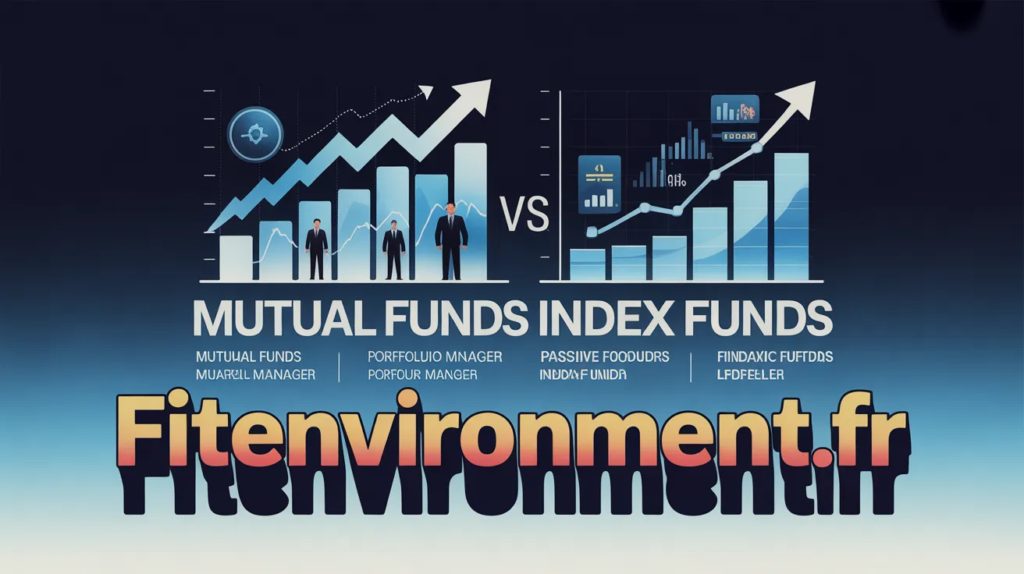
Mutual funds vs index funds both pool money from many investors to buy stocks, bonds, or other assets. The big difference comes down to how experts run them. You deserve straight talk, not jargon. So let us walk through everything together, step by step, so you feel confident making the call.
What Mutual Funds Actually Are
Mutual funds let you spread your money across dozens or hundreds of investments without buying each one yourself. Professional managers research companies, watch economic news, and adjust holdings to try beating the market. You buy shares once per day at the closing price, called the net asset value.
These funds come in many flavors. Some focus on growth stocks. Others hunt for value or income from dividends. You might pick one that matches your age or risk comfort. The manager stays active, trading often to chase higher returns. That sounds exciting, yet it costs you more than you might expect.
How Index Funds Work Differently
Index funds take a quieter approach. Instead of trying to outsmart the market, they copy a specific benchmark, such as the S&P 500. The fund holds the same stocks in the same proportions as the index. No daily stock picking. No dramatic shifts. The goal stays simple: match the market, not beat it.
You still buy shares once per day in most index mutual funds. Many people also use index-tracking exchange-traded funds that trade like stocks all day long. Either way, you own a tiny piece of hundreds or thousands of companies at once. This passive style keeps things predictable and low-maintenance.
The Heart of Mutual Funds vs Index Funds
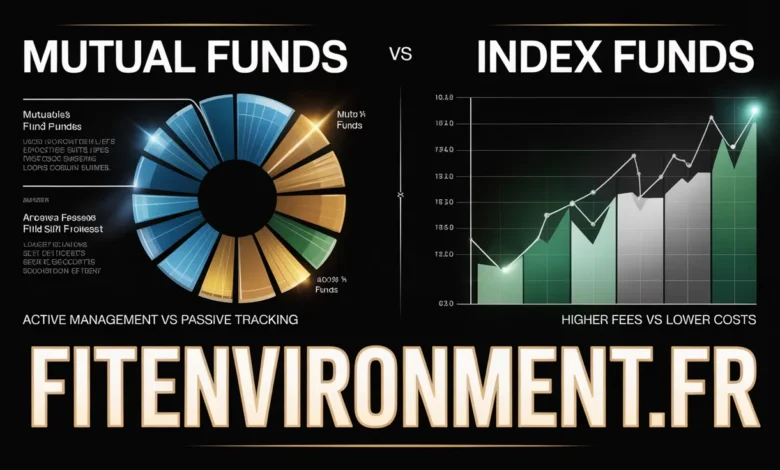
Mutual funds vs index funds differ most in three areas that directly touch your wallet: management style, costs, and results. Let us break each one down so you see the real impact on your returns.
Management Style: Active Versus Passive In active mutual funds, a team of analysts pores over financial statements and visits company headquarters. They buy and sell whenever they spot an opportunity. You pay them to think ahead and avoid losers.
Index funds skip all that. A computer follows the rules of the index. When the S&P 500 adds or drops a company, the fund automatically adjusts. No opinions. No guesswork. This passive method removes human emotion and keeps operations lean.
Fees That Quietly Shrink Your Returns Costs stand out as the clearest edge in mutual funds vs index funds. Active mutual funds charge higher expense ratios because you pay the manager’s salary, research team, and frequent trading commissions. In 2025, the average equity mutual fund expense ratio sat around 0.40 percent to 0.64 percent. Some climb even higher.
Index funds charge far less. Many sit at 0.05 percent to 0.14 percent. That gap looks tiny on paper. Over decades, however, it compounds into real money. You keep more of every dollar your investments earn when you choose index funds. Lower fees also mean less drag during flat or down markets.
Performance Track Record You Can Trust Here comes the part most investors want to see. The latest SPIVA U.S. Year-End 2025 report delivers a clear message. In 2025, 79 percent of active large-cap U.S. equity funds underperformed the S&P 500. That marks the fourth-worst year in the 25-year history of the scorecard.
Stretch the timeline and the numbers grow even more lopsided. Over three years, roughly 67 percent of active funds lagged the benchmark. Over ten years, the majority of active managers still fall short most of the time. Index funds simply deliver whatever the market gives you, minus tiny fees. You avoid the risk of paying high costs for results that often trail the market.
Mid-cap and small-cap active funds showed slightly better short-term results in 2025, yet the long-term pattern holds across categories. International and global active funds also struggled, with 63 percent to 76 percent underperforming their benchmarks. The data keeps repeating: mutual funds vs index funds favors the simple, low-cost path for most people over time.
Risk and Diversification Both options spread your money wide, yet they handle risk differently. Active mutual funds can tilt toward certain sectors or avoid others when managers sense trouble. That flexibility sometimes softens losses during downturns. Sometimes it backfires and amplifies them.
Index funds stay fully invested according to the benchmark. When the market drops, you feel the full ride. Yet you also capture every upswing without missing moves while the manager waits on the sidelines. For long-term investors like you who stay patient, this market-matching approach often feels less stressful because you know exactly what to expect.
Tax Efficiency That Protects Your Gains You work hard for your money. Taxes should not steal more than necessary. Active mutual funds trade stocks more often, which creates capital-gains distributions you pay taxes on even if you never sold shares. Index funds trade far less, so they generate fewer taxable events. You keep more money growing inside the account where it belongs.
Pros and Cons of Mutual Funds vs Index Funds
You want the full picture before you decide. Here are the clear advantages and drawbacks of each side in mutual funds vs index funds.
Advantages of Active Mutual Funds
- Professional managers handle research and decisions for you.
- Potential to beat the market in niche areas such as small companies or emerging markets.
- Some funds adjust holdings to reduce losses in rough times.
- Wide selection of specialized strategies.
Disadvantages of Active Mutual Funds
- Higher fees eat into your returns year after year.
- Most fail to beat their benchmark over the long run.
- More frequent trading creates extra taxes.
- Performance can vary wildly between managers.
Advantages of Index Funds
- Extremely low costs leave more money in your pocket.
- Consistent results that match the market you already own through your economy.
- Simple to understand and easy to hold for decades.
- Strong tax efficiency that protects your gains.
Disadvantages of Index Funds
- No chance to outperform the market during short bursts.
- Full exposure to market drops with no defensive moves.
- Limited choices if you want very specific themes.
- Returns feel average, which some people find boring.
When Active Mutual Funds Make Sense for You
You might still pick active mutual funds in certain situations. If you invest in less efficient markets such as small-cap stocks or certain international regions, a skilled manager sometimes finds an edge. You could also choose them inside a tax-advantaged account like an IRA where extra trading costs matter less.
Some people simply prefer knowing a professional watches the portfolio daily. That peace of mind carries real value. Just remember the data. You must choose carefully and accept that even top managers struggle to stay ahead after fees.

When Index Funds Become the Smarter Move
For most people building wealth over ten, twenty, or thirty years, index funds win in mutual funds vs index funds. You set it and forget it. Your money rides the long-term growth of the economy. Fees stay tiny. Taxes stay low. Historical results show you beat the vast majority of active managers without trying.
Beginners especially love this approach. You do not need to study balance sheets or guess the next hot sector. You simply invest regularly and let compounding work its magic.
Real-World Examples That Hit Home
Picture two friends who start investing $500 per month at age 30. Sarah picks a popular active mutual fund with a 0.60 percent expense ratio. Mike chooses an S&P 500 index fund with a 0.04 percent expense ratio. After 35 years, assuming average market returns and the typical underperformance gap shown in SPIVA reports, Mike ends up with tens of thousands more dollars simply because less money vanished into fees.
Another example comes from 2025 market swings. Large-cap active managers faced tough headwinds from concentrated gains in a handful of big tech stocks. Many shifted too early or too late and missed the ride. Index funds captured every percentage point without drama. You see the same pattern repeat across decades.
Step-by-Step Guide to Get Started
You do not need to be an expert to begin. Follow these simple steps and you will feel in control fast.
- Define your goals. Are you saving for retirement, a house, or college?
- Check your risk comfort. Younger investors usually handle more market ups and downs.
- Open a low-cost brokerage or retirement account.
- Compare specific funds side by side on fees, holdings, and past behavior.
- Start with automatic monthly investments so you never forget.
- Review once or twice a year, not every day.
- Rebalance only when your mix drifts far from your plan.
Common Questions About Mutual Funds vs Index Funds
You probably have questions swirling right now. Here are answers to the ones people ask most.
Do index funds count as mutual funds? Yes. Index funds are a type of mutual fund that simply follows a passive strategy. The label “mutual funds vs index funds” really compares active mutual funds with passive index funds.
Can I lose money in either option? Absolutely. Both invest in the market, so values drop when stocks fall. Index funds match those drops exactly. Active funds might cushion or worsen them depending on the manager’s calls.
Which performs better in a bear market? Active funds sometimes protect better by holding more cash or defensive stocks. Yet many still lag because timing the market proves incredibly difficult. Index funds simply accept the downturn and recover with the broader market.
How much should I invest right now? Start with whatever you can afford consistently. Even $100 per month compounds powerfully over time. Focus on steady habits rather than perfect timing.
Are there good index funds available in my retirement plan? Most employer plans now offer low-cost index options. Check your plan documents or ask your human-resources team. You can often shift to them without extra paperwork.
What about taxes outside retirement accounts? Index funds win again because they create fewer taxable distributions. You pay taxes mainly when you sell shares yourself.
Should I mix both types? Some investors do. They keep most money in index funds for core holdings and use a small slice for active funds in specialized areas. That hybrid approach works if you stay disciplined.
How often should I check my investments? Once or twice a year keeps you informed without triggering emotional trades. Markets reward patience.
The Future Looks Bright for Simple Investing
Trends point toward even more growth in low-cost index strategies. Technology makes trading cheaper and access easier than ever. Regulators push for clearer fee disclosures. More people realize that paying high fees for average results no longer makes sense. You stand to benefit as competition drives costs lower and options expand.
Wrapping It Up: Your Next Smart Move
Mutual funds vs index funds comes down to one truth you can take to the bank. Over the long haul, low costs and market-matching returns beat high fees and active stock picking for the vast majority of investors. You now hold clear data, honest pros and cons, and simple steps to act on.
Take a moment today. Log into your account. Compare one active fund and one index fund side by side. Notice the fee difference. Check the long-term numbers. Then choose the path that matches your life. Whether you lean toward active management for certain slices or go all-in on index funds, the important part stays the same: you start investing consistently and let time do the heavy lifting.
What will you do first? Open that account, set up automatic contributions, or simply share this guide with a friend who needs the same clarity? Your future self will thank you for making the decision now.
FAQs
1. What is the main difference in mutual funds vs index funds? Mutual funds are usually actively managed by professionals who try to beat the market. Index funds passively copy a benchmark and aim only to match it while charging far lower fees.
2. Do index funds always beat mutual funds? Not every single year, but over ten years or longer, most index funds deliver better net returns than most active mutual funds because of dramatically lower costs.
3. Are index funds safer than mutual funds? They carry similar market risk. The safety edge comes from lower fees and less chance of manager mistakes that hurt performance.
4. Can beginners start with index funds? Yes. Index funds rank among the easiest and smartest choices for new investors because they require zero stock-picking skill.
5. How do fees affect my final balance? Even a 0.5 percent difference in fees can reduce your ending balance by tens of thousands of dollars over thirty years. Small percentages compound into big money.
6. Should I switch from mutual funds I already own? Review the fees and performance first. If costs stay high and results lag, moving to a comparable index fund often makes sense inside a tax-advantaged account.
7. Do mutual funds vs index funds matter inside a 401(k)? They matter a lot. Many plans now offer both. Choosing the lower-cost index option inside your plan boosts your retirement savings without extra effort.
8. Where can I find reliable index funds? Look at providers known for low costs such as Vanguard, Fidelity, or Schwab. Compare expense ratios and make sure the fund tracks a broad, well-known index.
Also Read In Fitenvironment.fr
Email: johanharwen314@gmail.com
Author name: Johan harwen
Author Bio Johan Harwen writes clear, no-nonsense guides that help everyday people make smarter money moves. With more than fifteen years helping investors cut through the noise, he focuses on practical strategies that actually work in real life. When he is not researching markets, you will find him hiking with his family or testing new budgeting apps so he can share what truly saves time and money.