

Introduction
You found the perfect home. You check the listing every day. Then one morning, the status changes to « contingent. » Your heart sinks a little. Is it gone? Can you still make an offer? Should you even bother?
If you have ever asked what does contingent mean in real estate, you are not alone. It is one of the most searched and most misunderstood terms in the entire home buying process. Buyers panic. Sellers get confused. And agents sometimes forget to explain it clearly.
So let us fix that right now. In this article, you will learn exactly what does contingent mean in real estate, how it works for both buyers and sellers, what the most common contingencies are, and what your options are when a home you love carries that status. By the end, you will feel genuinely confident navigating it.
What Does Contingent Mean in Real Estate? The Simple Answer
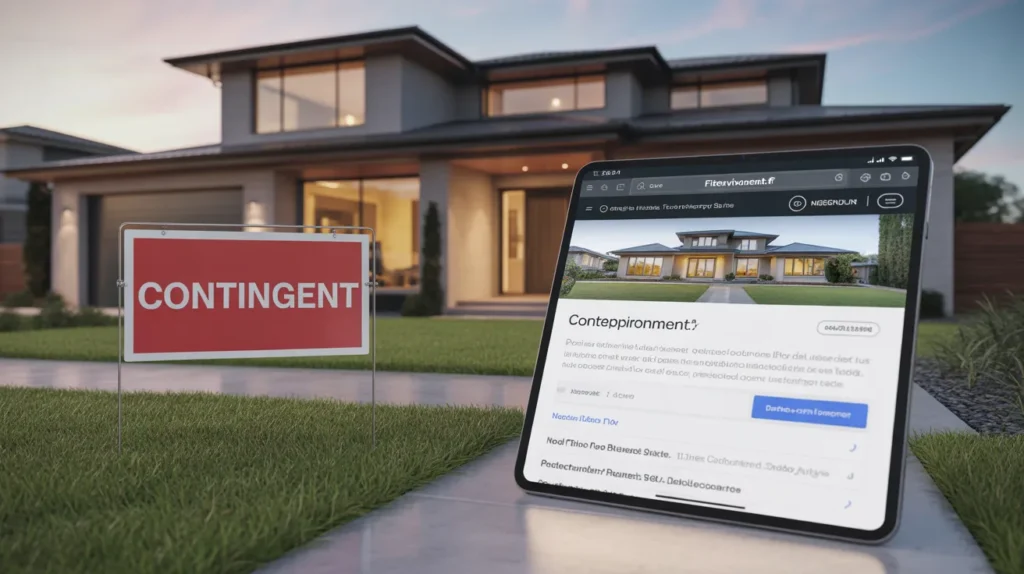
When a home is listed as contingent, it means the seller has accepted an offer, but the sale is not final yet. The deal still depends on certain conditions being met. Those conditions are called contingencies. If the conditions are satisfied, the sale moves forward. If they are not, the deal can fall apart.
Think of it like this. A buyer says, « I want to buy your house, but only if the home inspection comes back clean. » The seller agrees. The home is now under contract, and that contract is contingent on the inspection results. The status on the listing updates to « contingent » to reflect this.
So when you see that word on a listing, it does not mean the home is completely off the market. It means it is in a holding pattern. Things could still change.
Contingent vs Pending: What Is the Difference?
A lot of buyers confuse contingent and pending. They are not the same thing, and the difference matters a great deal.
A home that is contingent has an accepted offer, but conditions still need to be met. There is still some uncertainty. A home that is pending has cleared all the contingencies and is waiting to close. Pending homes are much closer to the finish line.
Here is a quick breakdown:
- Contingent: Offer accepted, conditions still in play, deal could still fall through.
- Pending: All conditions met, sale is on track, closing is imminent.
If you see a home listed as pending, your chances of stepping in are much lower. If it is contingent, there may still be an opening, depending on the type of contingency.
The Most Common Types of Real Estate Contingencies
To really understand what does contingent mean in real estate, you need to know the different types of contingencies that buyers and sellers deal with every day. Each one represents a specific condition that must be resolved before the sale can close.
1. Home Inspection Contingency
This is the most common contingency. The buyer hires a professional inspector to examine the property. If major problems are found, the buyer can ask the seller to make repairs, reduce the price, or walk away from the deal entirely.
I always tell first-time buyers: never skip the inspection contingency. It protects you from buying a money pit. Even in a competitive market, waiving this one can cost you tens of thousands of dollars down the road.
2. Financing Contingency
This one protects buyers who need a mortgage. Even if you are pre-approved, a lender can still deny your loan after the appraisal or a change in your financial situation. A financing contingency gives you a legal exit if your loan falls through.
Without this contingency, if your loan is denied, you could lose your earnest money deposit. That can be thousands of dollars gone in an instant.
3. Appraisal Contingency
When you take out a mortgage, the lender orders an independent appraisal to confirm the home is worth what you agreed to pay. If the appraisal comes in lower than the purchase price, this contingency lets you renegotiate or walk away without losing your deposit.
In hot markets, sellers sometimes ask buyers to waive the appraisal contingency. This is risky. If the appraisal comes in low, you would need to cover the gap out of pocket.
4. Home Sale Contingency
This applies when a buyer needs to sell their current home before they can close on a new one. The offer is contingent on that existing home selling within a set timeframe. Sellers tend to be less enthusiastic about home sale contingencies because they introduce extra uncertainty and timeline delays.
5. Title Contingency
A title contingency protects buyers from undisclosed issues with the property’s legal ownership. This includes things like liens, unpaid taxes, or ownership disputes. If a clean title cannot be delivered, the buyer has grounds to exit the deal.
What Does Contingent Mean in Real Estate for Home Buyers?
If you are a buyer and you fall in love with a home that is listed as contingent, here is the reality. You are not completely out of options, but you are not in a strong position either.
Some sellers will accept backup offers. A backup offer means you agree to step in and purchase the home if the current deal falls through. You sign a contract, but you sit and wait. If the contingency fails and the current buyer exits, you move to the front of the line.
Here is what you should do if you want to pursue a contingent home:
- Ask your agent to contact the listing agent and find out what type of contingency is in place.
- Ask whether the seller is accepting backup offers.
- If yes, submit a strong backup offer with as few contingencies as possible.
- Set a clear timeline so you are not waiting indefinitely.
- Keep looking at other homes. Do not put all your hopes in one contingent property.
Understanding what does contingent mean in real estate helps you stay strategic rather than emotional in these situations.

What Does Contingent Mean in Real Estate for Home Sellers?
If you are a seller and your home is under a contingent contract, you are in a transitional space. You have an interested buyer, and things are moving forward. But the deal is not done yet.
During this period, your responsibilities include keeping the home in good condition, cooperating with the inspection process, and responding promptly to any requests from the buyer. If a contingency fails, you may need to relist the home and start over.
One important thing to know: many sellers continue to accept showings and backup offers while under a contingent contract. This is smart. It keeps your options open in case the primary deal collapses.
You should also understand the kick-out clause. Some contingent contracts include a kick-out provision. This means that if another buyer comes along with a stronger offer and no contingencies, you can give the original buyer a short window to remove their contingencies and proceed, or step aside. This gives sellers added protection when accepting offers with contingencies.
How Long Does a Contingent Status Last?
This is one of the most common questions buyers have when they see a contingent listing. The honest answer is that it depends on the specific contingency and the terms of the contract.
Here are typical timeframes:
- Home inspection contingency: Usually 7 to 14 days from the accepted offer date.
- Financing contingency: Typically 21 to 30 days, depending on lender processing time.
- Appraisal contingency: Often 14 to 21 days after the inspection period.
- Home sale contingency: Can range from 30 to 90 days, depending on market conditions.
In total, a contingent period can last anywhere from a few weeks to two months or more. If the contingencies are cleared successfully, the home moves to pending status. If they fail, the home returns to active listing.
Can You Make an Offer on a Contingent Home?
Yes. You can absolutely make an offer on a home that is listed as contingent. In fact, doing so could work in your favor. Here is why.
Contingent deals fall through more often than people expect. Studies suggest that roughly 5 percent of real estate contracts are terminated before closing, and the most common reason is contingency failures. That means a meaningful number of contingent homes end up back on the market.
If you submit a strong backup offer and the primary deal collapses, you are already in position. You do not have to start negotiations from scratch. Your offer is already on the table.
The key is to make your backup offer as clean and competitive as possible. Fewer contingencies, strong financing, and a flexible closing date all make your offer more attractive to a seller who is already dealing with uncertainty.
What Happens When a Contingency Fails?
When a contingency cannot be satisfied, one of two things happens. Either the buyer and seller negotiate a solution, or the deal falls apart and the buyer typically gets their earnest money back.
Here are some real-world examples:
- The inspection reveals a damaged foundation. The buyer requests a price reduction. The seller refuses. The buyer exits using the inspection contingency. The earnest money is returned.
- The buyer’s financing falls through three weeks before closing. The financing contingency allows the buyer to exit without penalty.
- The appraisal comes in at a value lower than the purchase price. The buyer does not want to pay the difference. They exit using the appraisal contingency.
Without contingencies, buyers have far less protection. That is why most experienced agents strongly recommend including them, especially in transactions involving large sums of money.
Real Estate Listing Statuses You Should Know
When you understand what does contingent mean in real estate, it helps to also understand all the related listing statuses. Here is a full picture:
- Active: The home is for sale. No accepted offer yet.
- Active with Kickout: The seller has accepted a contingent offer but will consider other offers and can activate a kickout clause.
- Contingent: An offer has been accepted, but conditions still need to be cleared.
- Pending: All contingencies cleared. The sale is on track to close.
- Closed: The sale is complete. The home has transferred ownership.
- Back on Market: A previous deal fell through. The home is active again.
Knowing these statuses helps you move faster and smarter when you are searching for a home.
Smart Tips for Buyers Navigating Contingent Listings
Here are some practical moves you can make when you encounter a contingent listing:
- Do not ignore it. Contingent homes become available again more often than most buyers realize.
- Call your agent immediately. Get the details on what contingency is in place and the expected timeline.
- Prepare your backup offer in advance. Have your pre-approval letter and terms ready to go.
- Stay in contact with your agent throughout the contingency period. You want to move fast if things change.
- Keep your emotions in check. Stay engaged, but continue viewing other properties in parallel.
Being informed about what does contingent mean in real estate puts you ahead of buyers who give up too soon.
Final Thoughts: What Does Contingent Mean in Real Estate?
By now, you have a thorough understanding of what does contingent mean in real estate. It means a deal is in progress but not done. It means conditions need to be cleared before ownership can transfer. And it means there is still some opportunity if you play your cards right.
For buyers, contingent listings are worth watching. They represent deals that may still open back up. For sellers, they represent a transaction that needs careful management and open communication. For everyone involved, understanding what does contingent mean in real estate removes the confusion and helps you make better decisions.
The real estate process is full of terms that can feel intimidating at first. But when you break them down, they are just describing very logical steps in a complicated but learnable process.
Did this article help clarify things for you? Share it with a friend who is in the middle of buying or selling a home. And if you have a question about contingencies that we did not cover, drop it in the comments. We read every single one.

FAQs: What Does Contingent Mean in Real Estate
1. What does contingent mean in real estate for a buyer?
It means the seller has accepted an offer from another buyer, but the deal has not closed yet. Conditions still need to be met. You may still be able to submit a backup offer and step in if the deal falls through.
2. Is a contingent offer the same as being under contract?
Yes, but with conditions. A contingent offer is a type of under-contract status. The home is under contract, but one or more contingencies must be cleared before the sale is final.
3. Can a seller accept another offer when they are contingent?
In many cases, yes. Sellers can accept backup offers while under a contingent contract. Some contracts also include a kickout clause that allows the seller to entertain better offers and give the original buyer a short window to remove their contingencies.
4. How often do contingent sales fall through?
Estimates suggest roughly 5 percent of real estate contracts fail before closing. Contingency failures are among the most common reasons. Home inspection issues, financing problems, and appraisal gaps are the top culprits.
5. What happens to earnest money when a contingency fails?
In most cases, the buyer gets their earnest money refunded when a contingency allows them to exit. However, if the buyer exits for a reason not covered by a contingency, the seller may be entitled to keep the earnest money.
6. How long does a contingent status last in real estate?
It depends on the type of contingency. Inspection periods are usually 7 to 14 days. Financing contingencies can last 21 to 30 days. The total contingent period can range from a few weeks to over two months.
7. Should I waive contingencies to make my offer stronger?
This is a big risk. Waiving contingencies can make your offer more attractive in a competitive market, but it removes your legal protection. If something goes wrong, you could lose your earnest money or be stuck with a home that has hidden problems.
8. What is the difference between contingent and pending in real estate?
Contingent means conditions still need to be met. Pending means all conditions have been cleared and the sale is on track to close. Pending homes are much closer to done and much harder to break into as a backup buyer.
9. Can I still view a contingent home?
Yes. Many sellers and agents allow showings on contingent homes. Viewing the property and submitting a backup offer keeps you in a strong position in case the current deal falls through.
10. What does contingent mean in real estate when there is a kickout clause?
A kickout clause means the seller can accept a new offer and notify the original contingent buyer. The original buyer then has a short period, often 24 to 72 hours, to remove their contingencies and proceed, or exit the deal.
Also read Fitenvironment.fr
Email: johanharwen314@gmail.com
Author name: Johan Harwen
About the Author: Johan Harwen is a real estate and personal finance writer with over ten years of experience helping everyday people navigate the home buying and selling process. He has contributed to leading real estate and lifestyle publications, breaking down complex market concepts into language that actually makes sense.